
Heritage
Pugin Heritage at St Joseph's
A rare surviving collaboration of A. W. N. Pugin and his son Edward Welby Pugin — Gothic Revival architecture in continuous use since 1850.
Why this matters
A nationally significant building
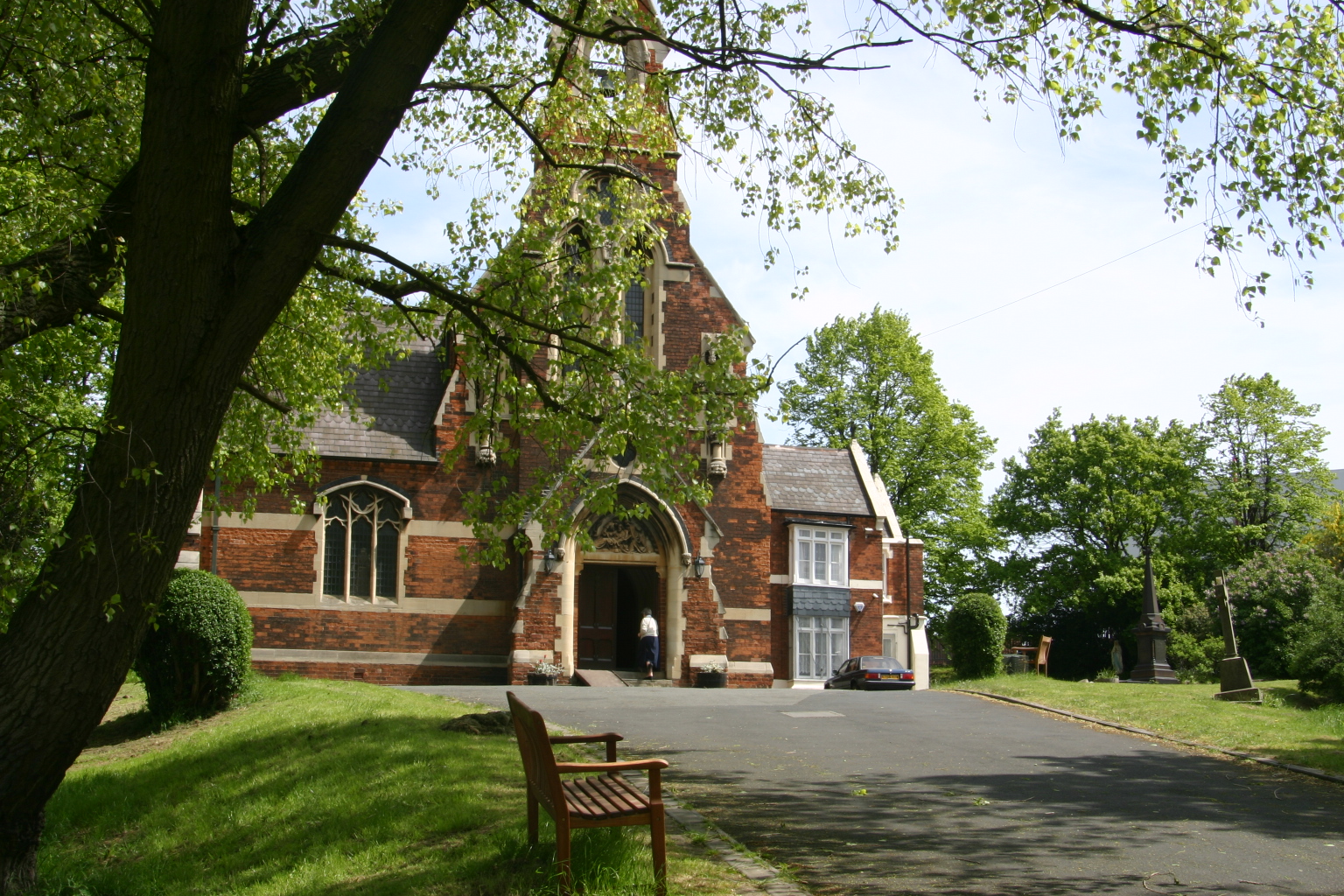
St Joseph's is one of the few churches in England to bring together the work of both A. W. N. Pugin — the leading architect of the Gothic Revival — and his son Edward Welby Pugin, who carried the family's architectural language into a new generation of English Catholic churches. That heritage, together with later contributions by John Hardman of Birmingham and Sir Giles Gilbert Scott, makes the building important well beyond the parish, and underpins our applications for grants and partnerships to fund essential repairs.
A. W. N. Pugin & the 1850 Chancel
What is now the Chancel of St Joseph's was originally built in 1850 as a mortuary chapel for Birmingham's first Catholic cemetery on Thimble Mill Lane. It was designed by Augustus Welby Northmore Pugin, the architect best known for the interiors of the Palace of Westminster and for St Chad's Cathedral, Birmingham.
The chapel was built in Bath stone at a cost of £800 and consecrated on 18 September 1850 by Dr W. B. Ullathorne, shortly to become the first Catholic Bishop of Birmingham since the Reformation. For seventeen years it served as a mortuary chapel and Mass centre for Catholics across the city.
E. W. Pugin & the 1870–72 Nave
By 1870 the cemetery chapel was too small for the growing parish and Bishop Ullathorne gave permission for it to be extended. The Nave was designed by A. W. N. Pugin's son, Edward Welby Pugin, and built between July 1871 and April 1872. The Nave and the adjoining house cost £2,658.
A six-day bazaar at Birmingham Town Hall raised £656 towards the building work; Pope Pius IX donated a cameo brooch to be raffled in support. The result is a single church in which the Pugin family's Gothic Revival vision can be read across two generations.
Stained glass and later work
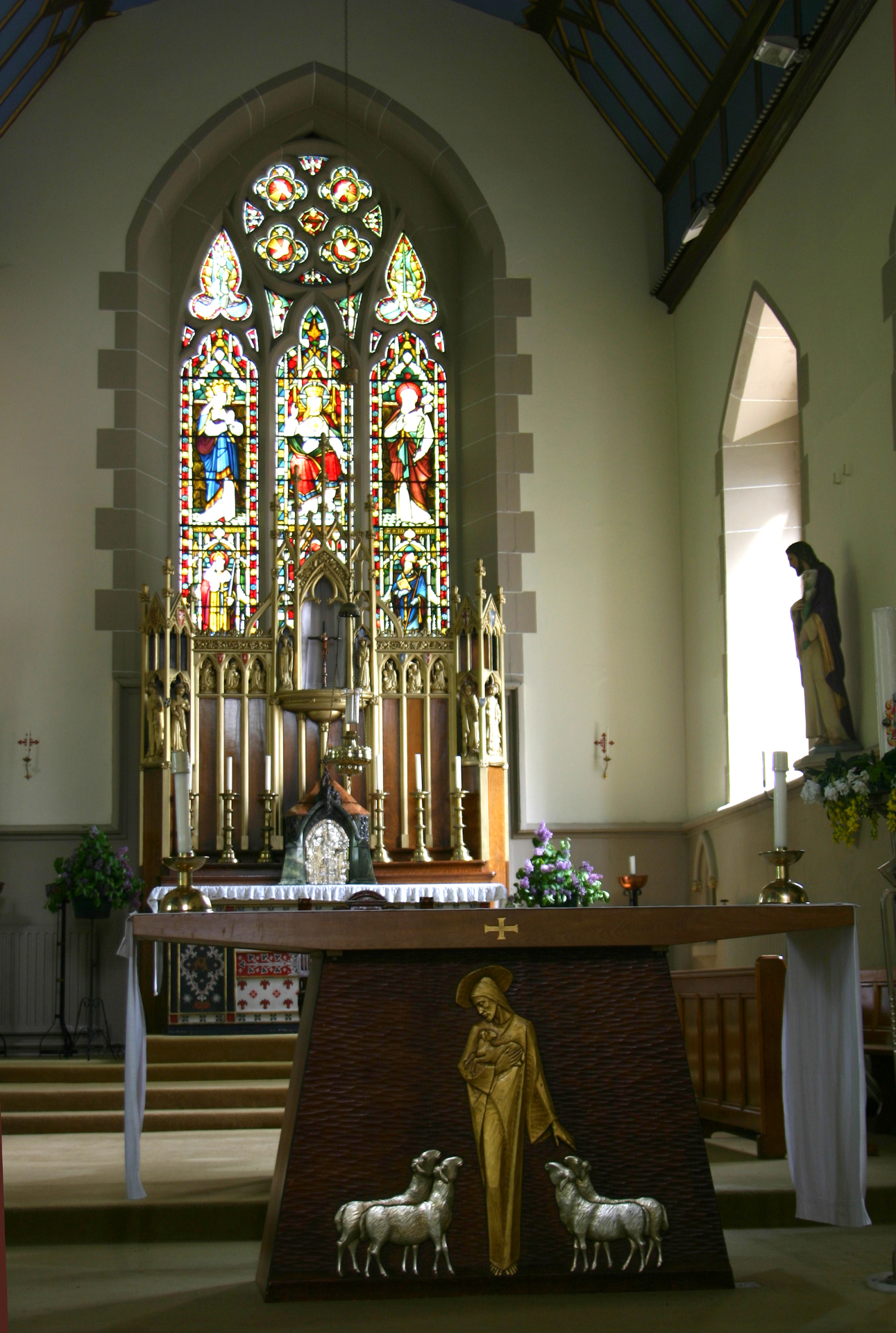
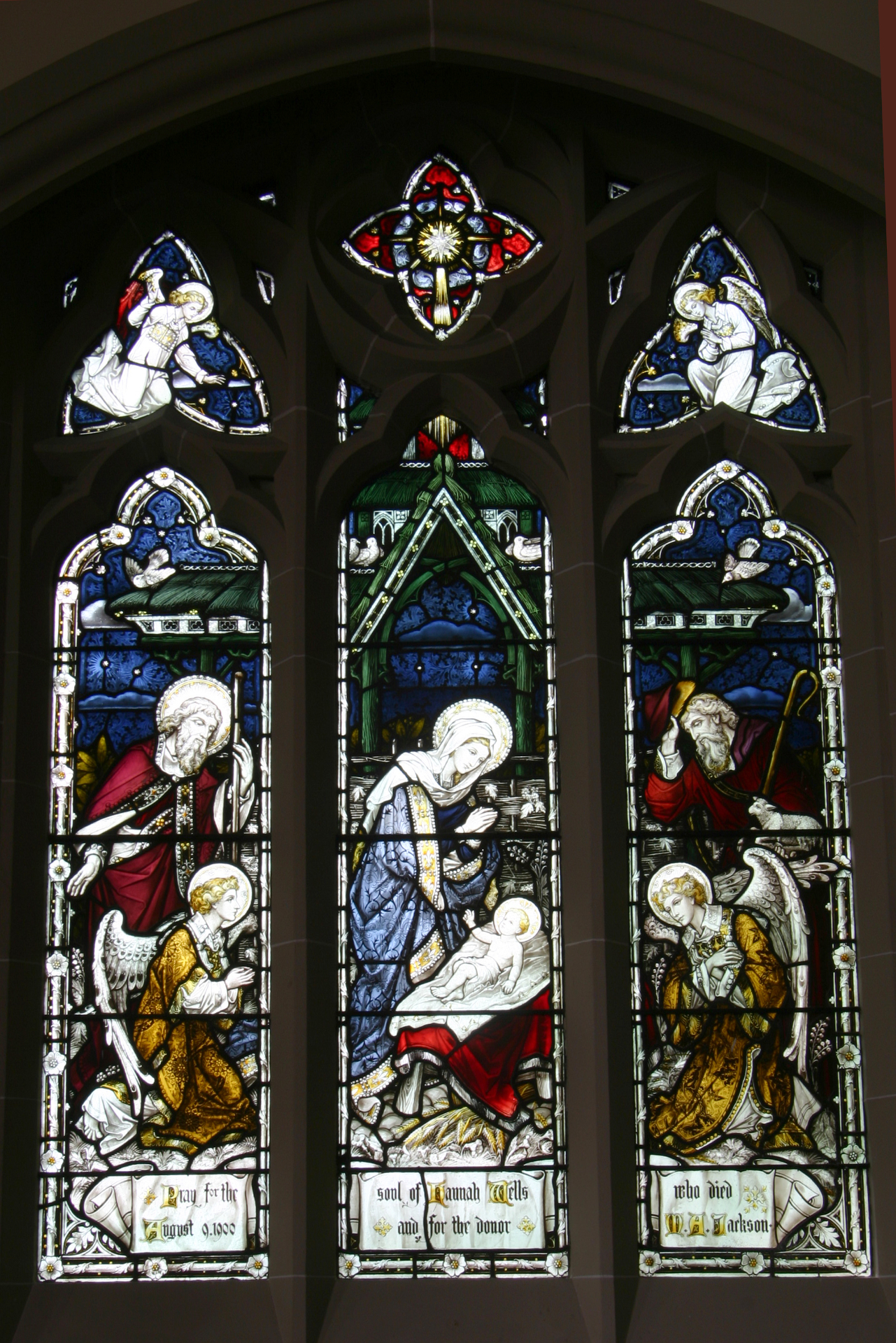
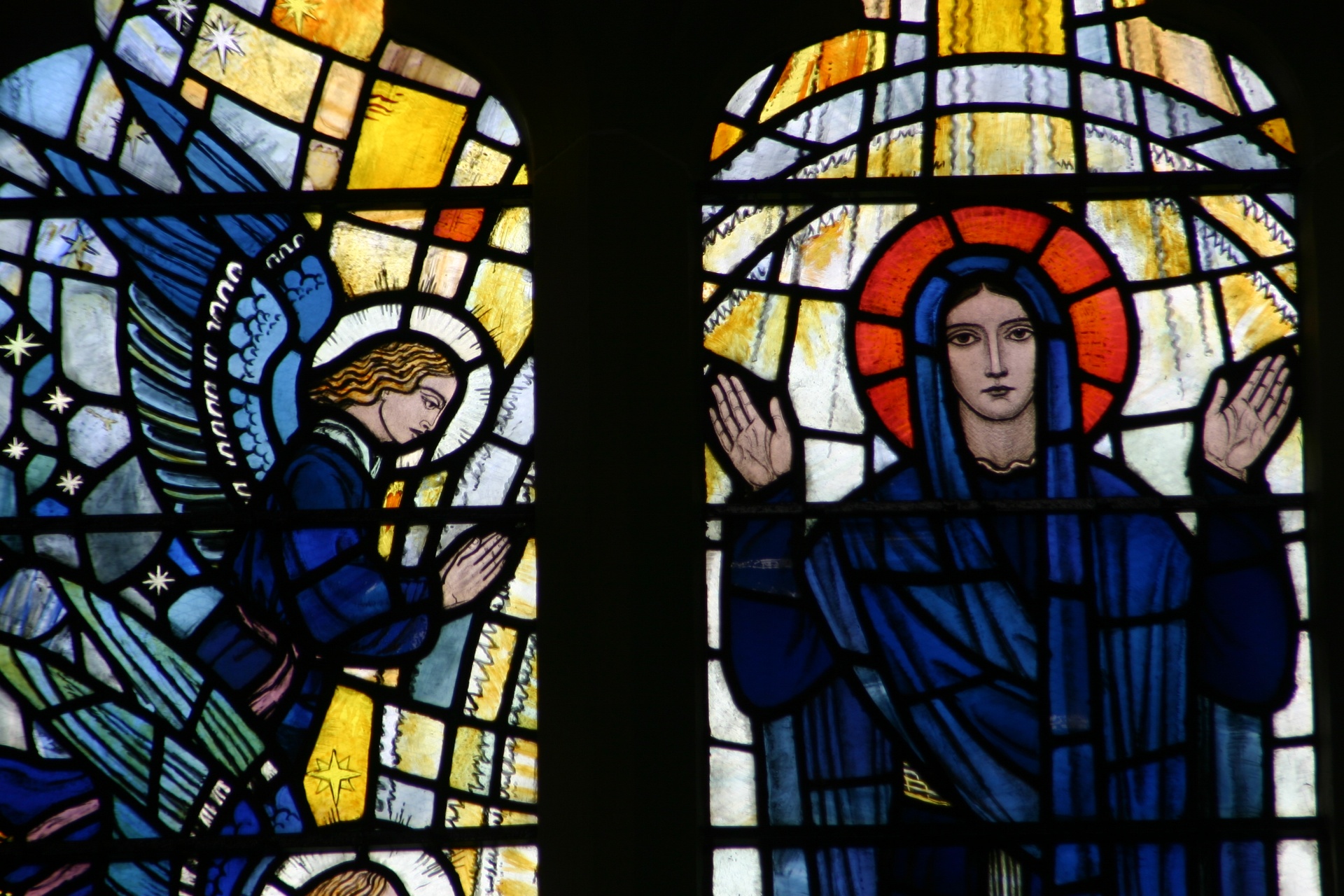
The church contains stained glass by Hardman of Birmingham — the firm founded by John Hardman, A. W. N. Pugin's close collaborator on Westminster — together with windows by Evans of Smethwick. Further windows were added in subsequent decades.
After the Second World War the church was restored and redecorated by Sir Giles Gilbert Scott, architect of Liverpool Anglican Cathedral and the iconic red telephone box. The interior was sensitively restored again in 2001.
Heritage significance & funding
For heritage and grant-making bodies, St Joseph's is distinguished by:
- A rare site combining work by both A. W. N. Pugin and E. W. Pugin.
- Birmingham's first Catholic cemetery chapel (1850), in original Bath stone.
- Stained glass by Hardman of Birmingham and Evans of Smethwick.
- Post-war restoration by Sir Giles Gilbert Scott.
- Continuous Catholic worship on the site since 1850.
Help us care for this building
We welcome enquiries from heritage organisations, grant-makers, parishioners and friends of the church who would like to support essential repairs and restoration.
Get in touchHistorical detail draws on Michael Hodgetts' history of St Joseph's Parish.